May 28, 2024
Brazil’s ‘Orange May’ Highlights Prevention of Sexual Abuse in Children
by

Every year, the month of May marks the Orange May campaign, an initiative that seeks to fight against child sexual abuse and exploitation in Brazil. It is a movement that seeks to create awareness about this scourge, which impacts thousands of children and adolescents across that South American nation.
Alarming data from the Ministry of Human Rights and Citizenship show that, every hour, three children are victims of abuse in Brazil, with approximately 51 percent of these children being between one and five years old. Every year, about 500,000 children and adolescents suffer sexual exploitation, but it is estimated that only 7.5 percent of these cases are reported to the authorities, revealing an even more worrying reality.
Orange May is a month dedicated to awareness and action to protect the rights and wellbeing of children and adolescents. The campaign highlights the importance of calling out and confronting this type of violence. It uses the gerbera flower to symbolize the fragility and vulnerability of children in these circumstances.
The origin of Orange May dates back to a tragic event on May 18, 1973, in Vitória, Espírito Santo. Araceli, an eight-year-old girl, was kidnapped, sexually abused, drugged, and murdered. This shocking case mobilized society and resulted in the creation of the National Day to Combat the Sexual Abuse and Exploitation of Children and Adolescents, made official after the passage of Brazil’s Public Act 9.970/2000.
Several help channels are available to report cases of abuse and exploitation. Among them are the Dial 100 (Human Rights Hotline); the Guardianship Council; and the police emergency number 190. It is also possible to seek help at specialized police stations and social assistance services, such as the Social Assistance Reference Center (CRAS).




A Shelter for Children
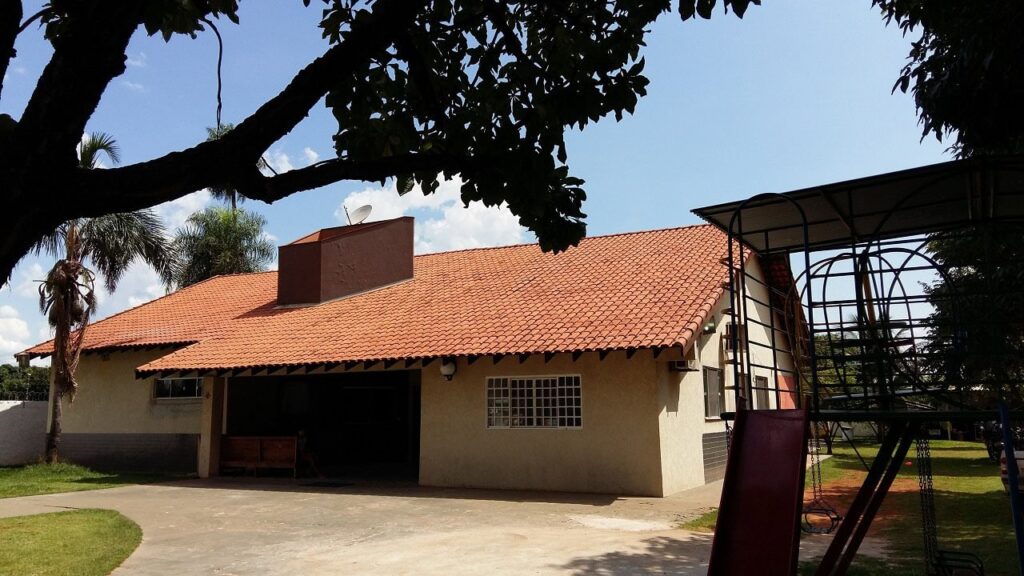
Against this background, the Lygia Hans Children’s Home in Campo Grande, Mato Grosso do Sul, stands out as an institution committed to the protection and support of children and adolescents. Founded on October 28, 2000, and managed by the Seventh-day Adventist Church in partnership with the government, it offers shelter for children and adolescents, following the legal requirements and technical guidelines for the care of these minors.
The space works as a model home, promoting a family environment and strengthening community bonds. Its purpose goes beyond foster care, aiming at family reintegration, placement in an extended family, or support for the adoption process, always in accordance with the regulations on child and adolescent care.
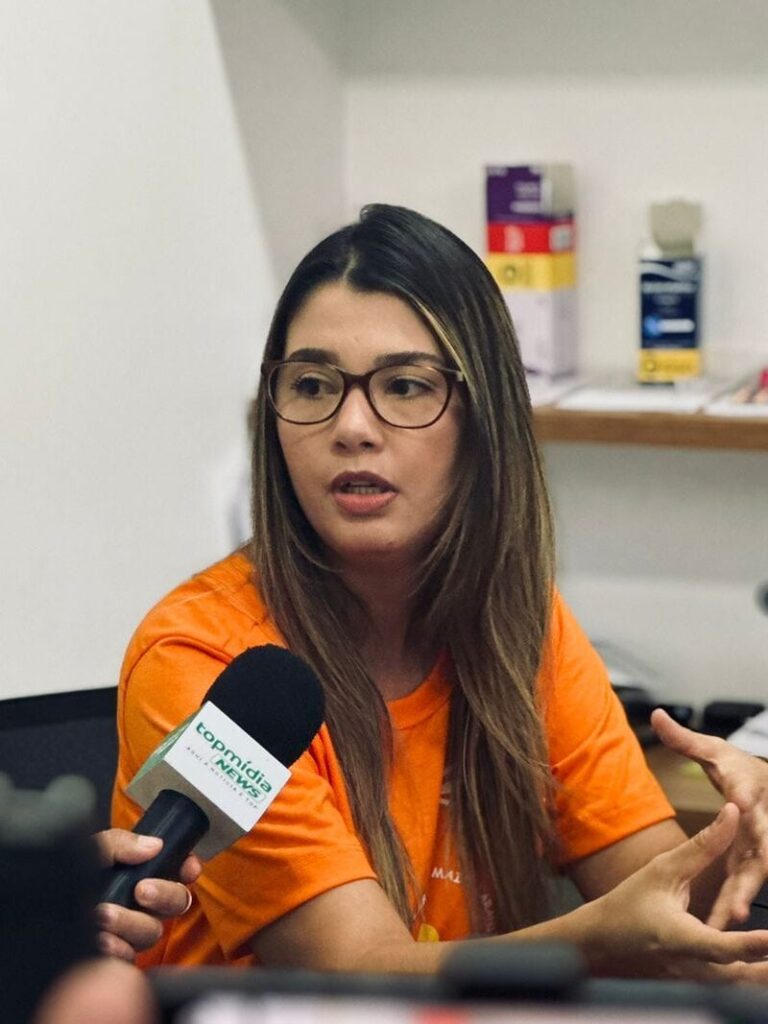
Gabriela Cayres, a psychologist at Lygia Hans Children’s Home, emphasized the importance of being accepting and showing psychological support. “Starting in our first interaction with a child, we try to offer them affection and minimize the trauma and pain they have endured, be it a result of neglect or abuse. We hold chat circles, practice active listening, refer them to individual therapy, and validate their feelings,” she pointed out.
Professionals also watch for warning signs in a child. “Self-harm, introspective behavior, irritability, insomnia, low self-esteem, excessive diuresis (especially at night), and constant nightmares are some of those signs,” she said.
Cayres emphasized the importance of parents being attentive and not leaving their children with just anyone. “Most of the abuse is carried out by family members,” she said. “Teaching the child to protect themselves and understand that their body is precious is key.”
The original version of this story was posted on the South American Division Portuguese-language news site.
About the Author
Liz E
Sign up for the newsletter
Get the latest Adventist news straight into your inbox.
Follow us:
Related

A Handful of Walnuts a Day May Make Your Diet Less Inflammatory
Published research findings add to previous studies about the role of nuts in human diet.
Larry Becker
October 18, 2026

Adventist Intercultural Marriages Have Skyrocketed. Is That a Positive Sign?
A pastor and psychotherapist dissects the implications of an increasing trend.
Marcos Paseggi
October 16, 2026

Treasurer Confirms Record Mission Investment Ahead of OneVoice27
Paul H. Douglas’ report highlights mobilization of resources “as never before.”
Marcos Paseggi
October 15, 2026

Church Manual Will Undergo “Comprehensive” Revision Before 2030
Delegates seek clarity on scope of revision, and motion passes 167 to 32.
Jarrod Stackelroth
October 15, 2026
Comments
Advertisement
