August 22, 2022
Adventists Help Amazon Natives to Keep their Traditions
Indigenous communities are thankful they can worship God according to their customs.
Jackeline Farah

Brazil’s northern region is home to the largest indigenous communities in the country. More than 400,000 people of various native ethnicities live there.
According to the last census of the Brazilian Institute of Geography and Statistics (IBGE) conducted in 2010, in the Amazon alone there are more than 180,000 indigenous residents, 56,000 of them in the state of Roraima. Those who have left home for the cities find it difficult to keep their traditions.
In Brazil’s most populous cities, the skyscrapers, mobile phones, and frantic pace of contemporary life affect those who want to keep their traditions. Often, their language and culture are swallowed up and finally disappear. This is what many who have left their ancestral lands can attest.
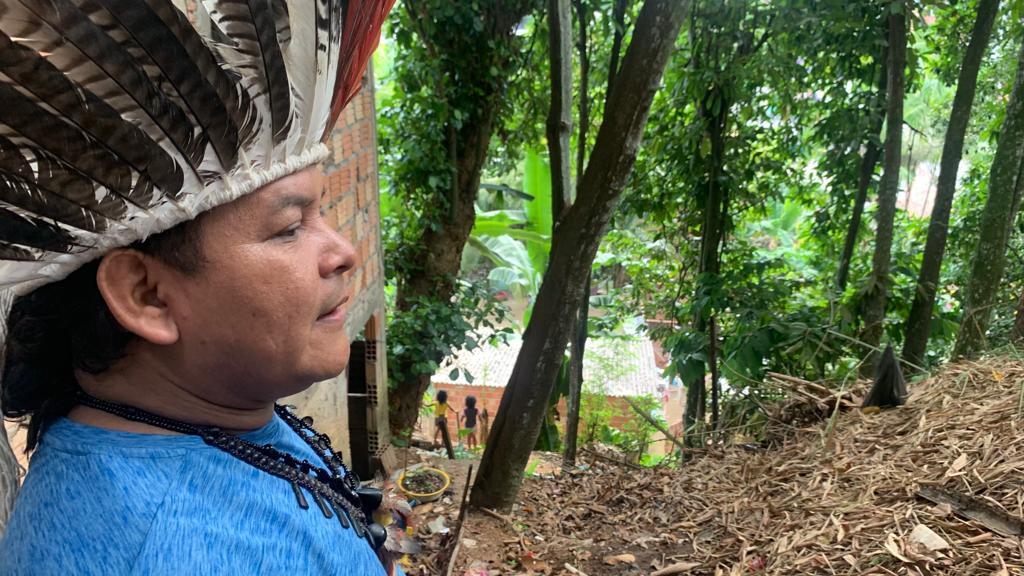
Members of the Satere Mawe tribe went to live in the northern city of Manaus almost 70 years ago, when the capital city of the state of Amazonas still had many green areas. According to Tuxaua Nilson Ferreira de Souza, 40, living in the city has become increasingly difficult.
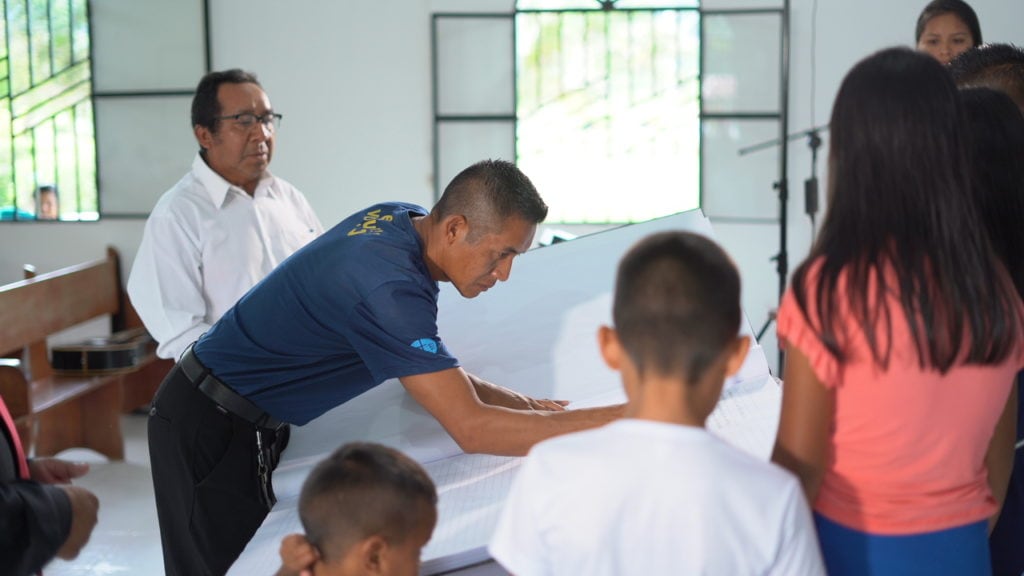
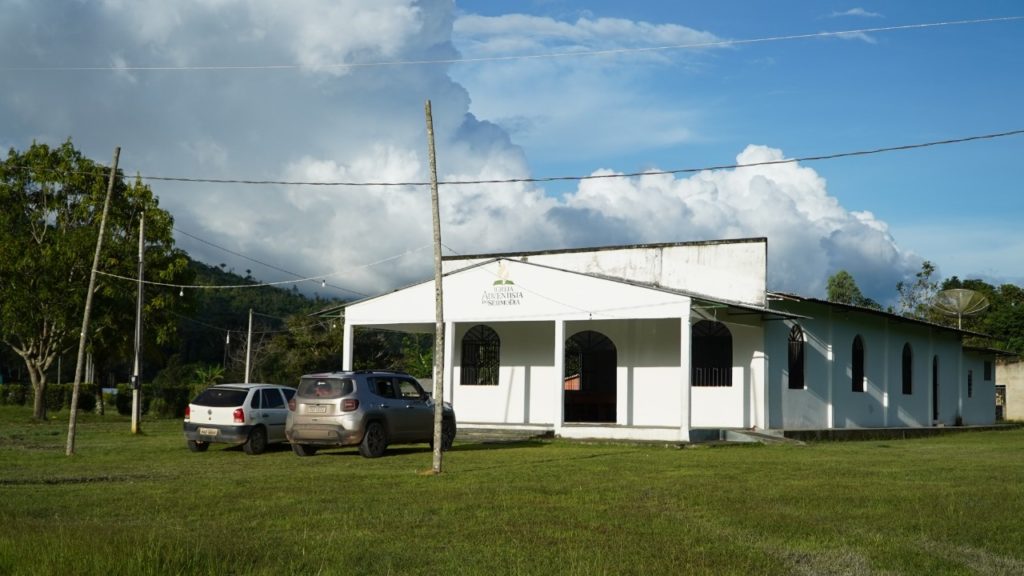
“Houses changed and there is not so much forest around our lands,” he said. “Every four years it became necessary to change our thatched roofs, and eventually we have to give up our malocas [log cabins] to start building with brick and mortar.”
Even in the face of such radical changes, many of them have managed to keep their traditional dances, gatherings, and dialects. In partnership with the Manaus Department of Education, they were assigned a teacher who can teach the Satere Mawe language to children. “If our children do not learn to speak Satere and perform our rituals, our culture will be lost,” de Souza said. “We asked for help, and thank Tupã [God], we were assigned this teacher.”
Content blocked following your privacy preferences
Currently, the community includes 12 families, for a total of 46 residents.
In Sorocaima, Roraima, more than 450 miles (725 kilometers) from Manaus, another ethnic group is also trying to keep their traditions and culture. The Taurepang tribal community, led by 39-year-old Tuxaua Sandoval Pinto Flores, lives off the production of traditional handicrafts and selling cassava flour.
Rituals and customs are kept thanks to the efforts of the tribal elders. “We have changed the way we build our houses, but we will not allow our roots to be lost. Our children learn our language every day to keep our history alive,” Pinto Flores said.
Things in Common
Despite the more than 450 miles between the two communities, the Satere Mawe and the Taurepang ethnic groups have several things in common. One of them is their faith in Jesus Christ and the support of the Seventh-day Adventist Church to keep their traditions alive. They have learned to keep the seventh-day Sabbath, follow the Bible study guides commonly known as Sabbath School lessons, and meet for small group ministry.
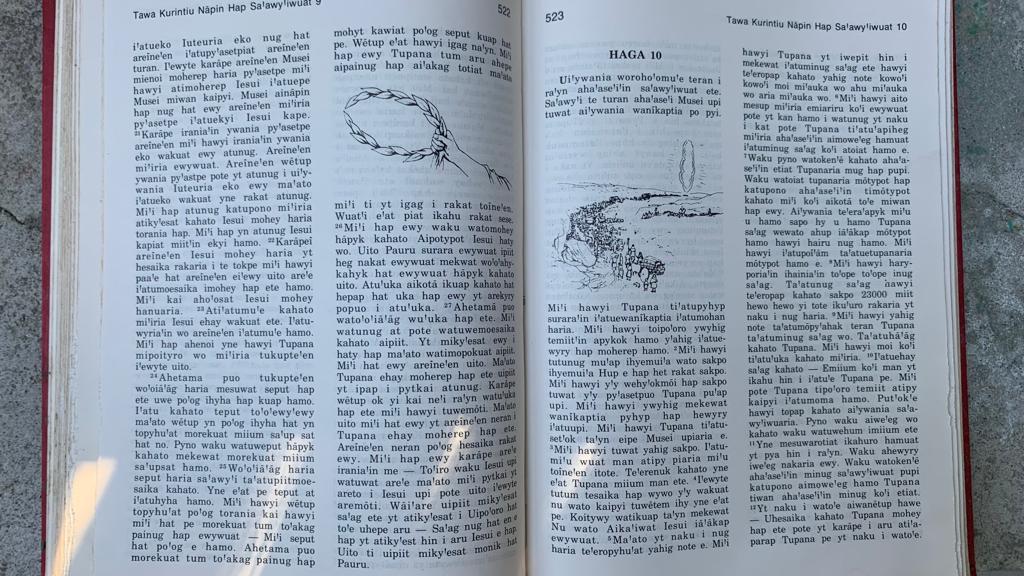
In Manaus, the Bible translated into Satere is helping them to keep their language alive. In Sorocaima, the dream of having the Bible translated to Taurepang is moving steadily forward. A group of residents is producing a handwritten copy of the Bible in their language. In both places, there are baptized Seventh-day Adventists who worship God in their own language and follow their customs.
“It has become clearer that there are increasing challenges to preaching the gospel around the world,” Amazonas-Roraima Conference president Mark Wallacy said. “However, seeing native tribes in our territory being reached by truth in their own cultural context is compelling evidence that the gospel definitely knows no barriers or limits. We can’t back down. We will continue so we can see Jesus come back in our lifetime!”
The original version of this story was posted on the South American Division Portuguese-language news site.
About the Author
South American Division
Sign up for the newsletter
Get the latest Adventist news straight into your inbox.
Follow us:
Related

NAD Annual Council Offering Will Support Mission in the Canadian Arctic
An offering appeal that began at the 2026 North American Division Annual Council has raised more than US$12,000 to date to support mission in the Canadian Arctic.
November 9, 2026

Hope Channel Ukraine Moves Its Servers to Safety After Strikes Near Studio
Hope Media Group Ukraine began relocating its broadcast servers after strikes landed close to its studio in Kyiv, the capital of Ukraine.
November 9, 2026

An Adventist Leader in Asia Celebrates Family’s Decision for Christ
Roger Caderma, president of the Seventh-day Adventist Church in the Southern Asia-Pacific, recently baptized his younger brother in the Philippines
November 8, 2026

Entrepreneur for the Kingdom
Seventh-day Adventist businesswoman Robina Nakao had no idea when she first started Café Escape in Nuku’alofa, Tonga, that it would grow into the community hub it is today
November 6, 2026
Comments
Advertisement
